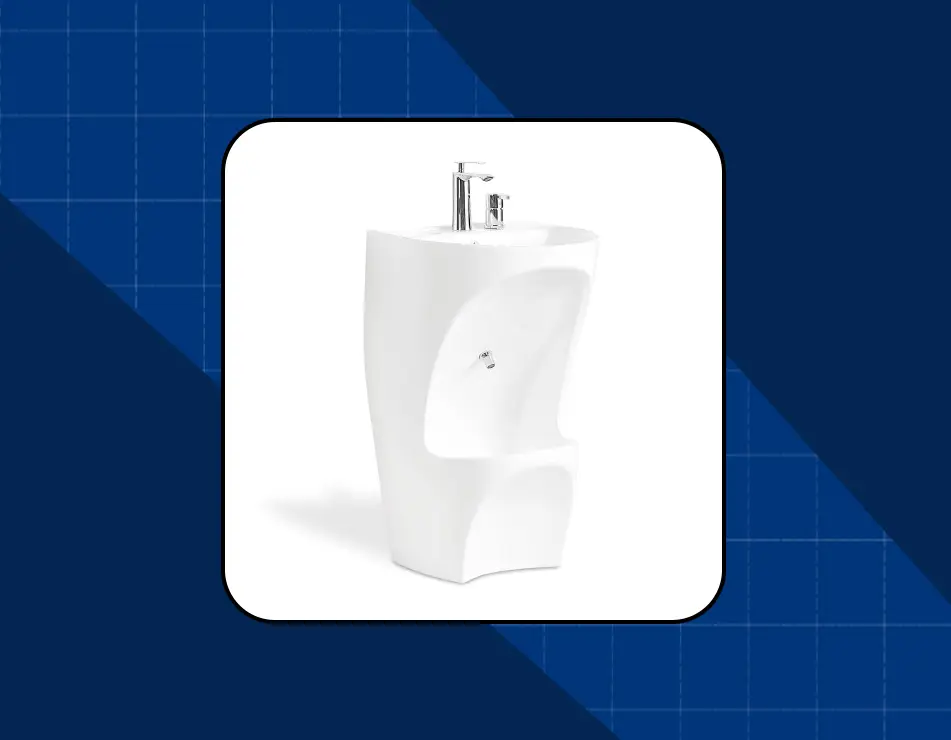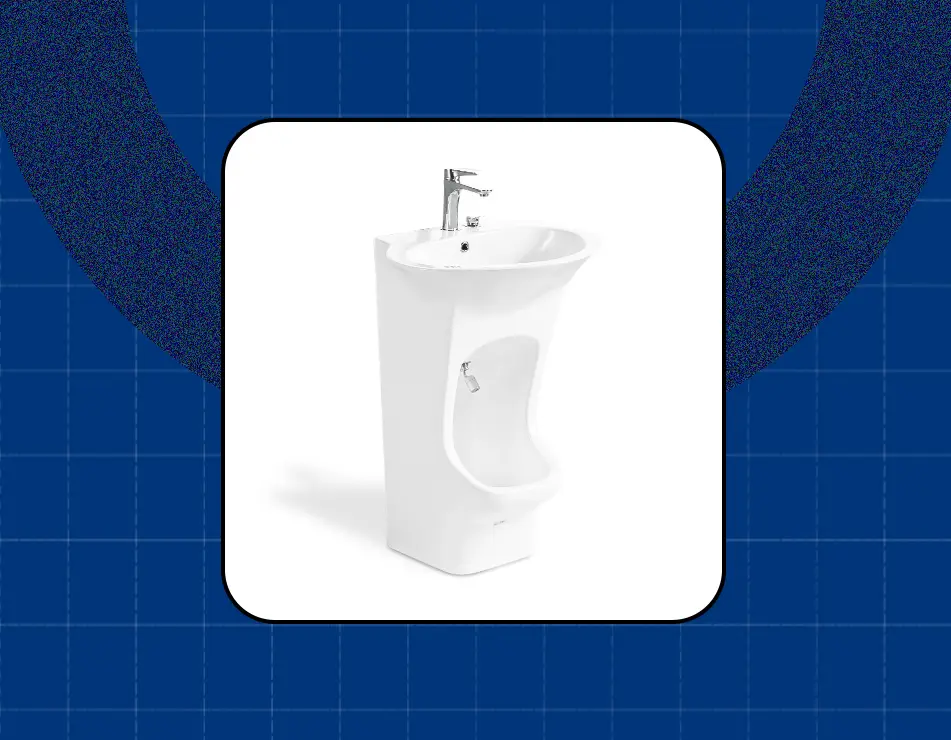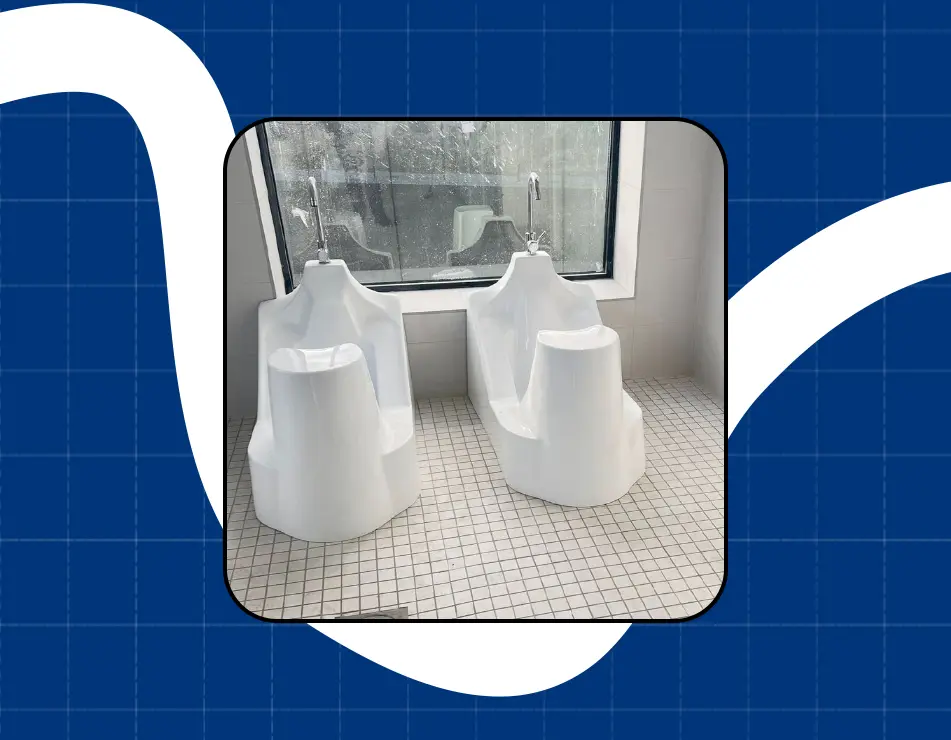
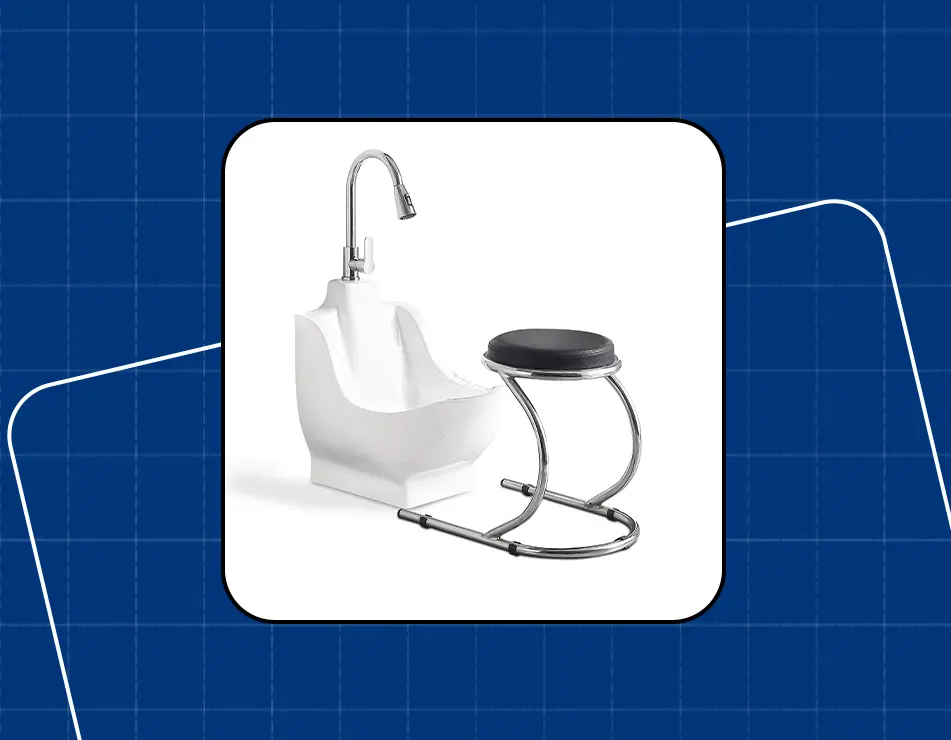
Wudu areas are essential facilities in mosques, schools, offices, universities, hospitals, airports, and other public or commercial properties. Since these spaces may be used several times each day, the basin, taps, drainage system, seating, and surrounding floor can experience considerable wear. Without regular attention, small issues such as slow drainage or a dripping tap can quickly become larger maintenance concerns. A reliable maintenance routine helps keep the ablution area clean, safe, and comfortable for users. It can also reduce water waste, prevent unexpected repairs, and extend the working life of the installation. Facility managers responsible for a wudu basin in the UK should focus on regular cleaning, drainage performance, secure fittings, limescale control, and timely servicing.
Use the Right Cleaning Method
The correct cleaning approach depends on the basin’s material. Wudu basins may be manufactured from ceramic, stainless steel, acrylic, or solid-surface materials. Each surface can respond differently to cleaning chemicals and equipment.
Cleaning teams should avoid harsh chemicals, wire brushes, and abrasive pads unless the manufacturer specifically approves them. These products may scratch the surface, damage protective finishes, or weaken sealants around the fittings. A soft cloth, non-abrasive sponge, and suitable cleaning product will usually be sufficient for routine maintenance.
Ceramic units should be wiped regularly to prevent water marks and soap residue. Stainless-steel basins are often selected for busy communal spaces because of their durability, but they still need proper cleaning to maintain their finish and prevent visible deposits.
Check Seats, Supports, and Fixings
Purpose-built wudu basins often include integrated seating, lower washing sections, removable stools, wall-mounted supports, or floor-mounted sections. These components need regular inspections because users may depend on them for comfort, balance, and stability.
Facility managers should check seats, brackets, wall fixings, floor connections, access panels, and supporting frames. Loose fasteners, movement, cracks, or damaged edges should be addressed immediately.
This is especially important when a wudu basin for a UK facility is used by children, elderly visitors, or people with limited mobility. A basin may still appear functional even when a support or fixing has started to weaken.
Choose a Basin That Is Easy to Maintain
Maintenance requirements should be considered before purchasing or replacing a basin. A unit for a busy mosque or university may need a stronger material and more accessible drainage system than one installed in a small office.
Facility managers should look at surface durability, splash control, access to pipework, corrosion resistance, seating design, and the availability of replacement parts. The unit should also be suitable for the available space and the needs of its users.
Selecting the right wudu basin in the UK can simplify daily cleaning and long-term servicing. WuduWash provides several configurations for domestic, commercial, communal, and accessible settings, allowing property managers to select a solution suited to their facility.
Conclusion
Maintaining a wudu basin does not need to be complicated, but it does require consistency. Cleaning the basin and floor, monitoring drainage, controlling limescale, inspecting taps, and checking structural components can prevent many common problems. Facility managers should create a maintenance plan based on the number of users, the basin material, and the design of the facility. Choosing a practical, purpose-built system from a specialist provider such as WuduWash can also make the area easier to manage. With regular care, the wudu space can remain clean, dependable, and welcoming for everyone who uses it.
FAQs
1. Should Facility Managers Keep Spare Wudu Basin Parts On-Site?
Yes. Keeping basic items such as seals, tap cartridges, strainers, and approved fittings can reduce downtime when minor repairs are needed.
2. How Can Users Help Identify Maintenance Problems?
Facilities can provide a simple reporting method, such as a QR code or notice, so users can quickly report leaks, damage, or poor water flow.
3. What Should Be Done Before a Wudu Area Reopens After a Long Closure?
The basin should be flushed, disinfected, inspected for leaks, and tested to confirm that taps, drainage, and water flow are working correctly.