A well-designed ablution area needs to make wudu comfortable and practical for everyone who uses it.
This becomes particularly important in shared spaces such as mosques, schools, workplaces, healthcare facilities, and other public buildings, where people of different ages, heights, and abilities may use the same facilities throughout the day. A conventional bathroom sink can provide a place to wash, but it is not necessarily designed around the specific requirements of wudu. This is where dual-level wudu wash basins can offer a more suitable solution. With washing areas positioned at two different heights, these basins can make different stages of wudu easier to perform while using the available space efficiently.
What Is a Dual-Level Wudu Sink?
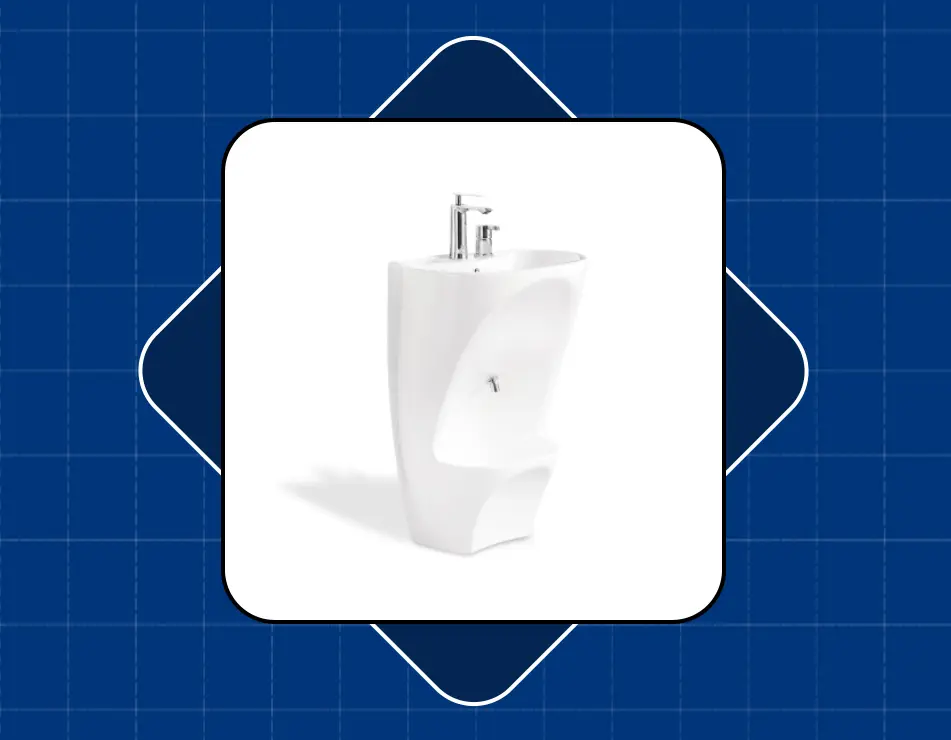
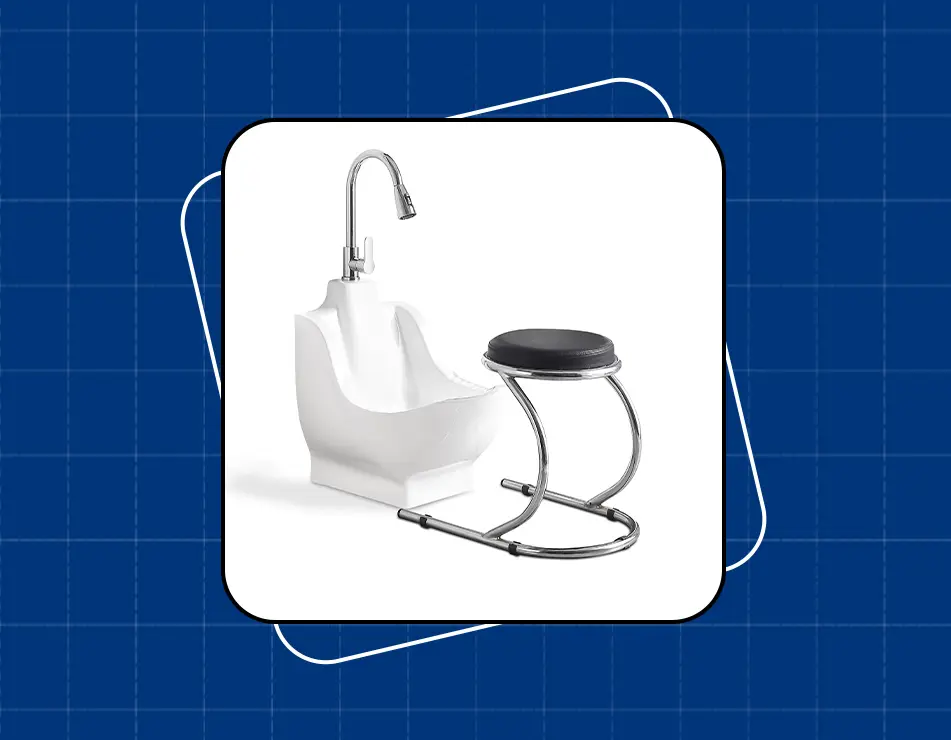
A dual-level wudu sink incorporates two washing areas at different heights within one fixture. The higher basin can be used for washing the hands, arms, face, and other areas, while the lower basin provides a more convenient position for washing the feet.
This design addresses one of the biggest practical differences between wudu and ordinary hand washing. With a conventional sink, washing the feet may require the user to lift a foot into the basin or adopt an awkward position. It can also result in considerable splashing around the sink.
A lower washing level provides a dedicated area for this part of the process. WuduWash's dual-level basin range, for example, combines upper and lower basins in one unit and is available in configurations designed for different installation requirements.
Making Wudu More Comfortable
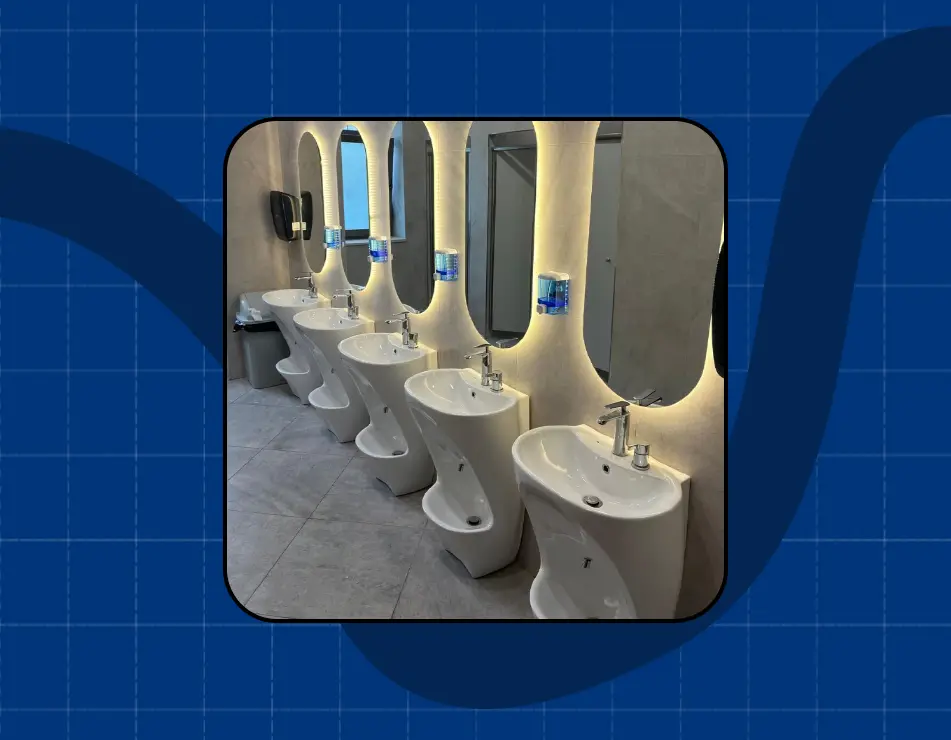
Shared ablution facilities are rarely used by people with identical physical requirements. Adults, children, older users, and people with mobility considerations may all need to use the same space. A two-level design provides greater flexibility by offering different basin heights within one fixture. The upper level can provide a comfortable washing position for many users, while the lower level makes foot washing more accessible without requiring the user to raise their leg into a high basin.
A Better Approach to Foot Washing
Foot washing is one of the clearest reasons to consider a purpose-built ablution basin. Standard sinks are generally designed for hand and face washing, meaning their height and depth may not be suitable for washing the feet.
A lower basin changes this arrangement. It allows users to wash their feet at a more appropriate height and can reduce the amount of bending or lifting required. It also gives the ablution area a clearer separation between upper-body and foot washing.
For a busy shared facility, this practical distinction can make the space easier to use. Instead of modifying a standard bathroom fixture, a dedicated wudu wash basin is designed with the requirements of ablution in mind.
A Practical Choice for Modern Ablution Areas
The main advantage of a dual-level wudu sink is that its design reflects how an ablution space is actually used. Instead of adapting a standard sink for tasks it was not specifically designed to handle, a dual-level fixture provides separate washing heights within one purpose-built unit.
For shared spaces, this can improve usability, make foot washing more practical, and help facilities use their available space more efficiently. When combined with suitable flooring, drainage, taps, and maintenance procedures, it can contribute to a more functional ablution environment.
Conclusion
Designing a shared ablution area involves more than simply providing access to running water. The space needs to accommodate different users, support the various stages of wudu, manage water effectively, and remain practical to maintain over time. A dual-level wudu wash basin addresses several of these considerations through a simple design: an upper washing area for tasks such as hand and face washing and a lower level that makes foot washing more convenient. For busy communal environments, this can provide a more appropriate alternative to adapting conventional bathroom sinks.
FAQs
How many users can share a dual-level wudu basin?
The number depends on the basin’s configuration and the overall layout of the ablution area. Multiple units can be installed where higher capacity is required.
Can dual-level wudu basins be used in residential properties?
Yes. Although particularly useful in shared facilities, compact dual-level designs can also be suitable for homes where dedicated ablution space is desired.
What should be considered before installing a dual-level ablution basin?
Check the available plumbing connections, water supply, drainage, installation space, and the basin’s dimensions to ensure it fits the planned area.