A wudu area needs to be practical, hygienic, and comfortable to use. While the basin is an important part of the setup, effective planning also involves considering accessibility, drainage, available space, cleaning, and the needs of the people using the facility. A well-planned space can make ablution easier while helping prevent unnecessary water buildup and maintenance issues. Whether the installation is for a mosque, school, workplace, healthcare facility, or home, choosing a purpose-built wudu basin can make a significant difference. Instead of adapting a conventional bathroom sink, a dedicated wudu fixture is designed around the requirements of ablution and can provide a more appropriate solution for regular use.
Begin With the Space and Its Users
Before selecting a basin, look at how the available space will be used. The size of the room, location of plumbing, drainage arrangements, and expected number of users can all influence the design.
User requirements are equally important. A communal facility may need to accommodate children, adults, older people, and users with limited mobility. The basin should therefore be positioned and configured to allow comfortable access without making the area difficult to navigate.
There should also be enough surrounding space for users to approach the basin, perform wudu, and move away without creating unnecessary congestion. Planning these details before installation can make the finished area considerably more functional.
Select a Basin Designed for Ablution
A conventional bathroom sink is generally designed for hand and face washing. Wudu involves washing several parts of the body, including the feet, so a standard sink may not always provide the most convenient arrangement.
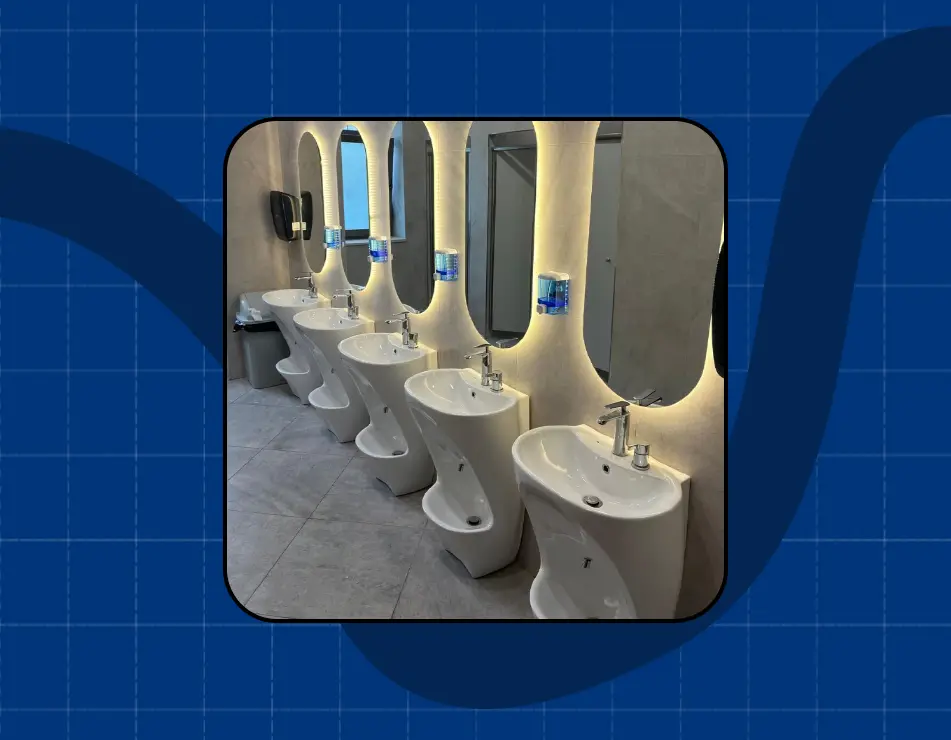
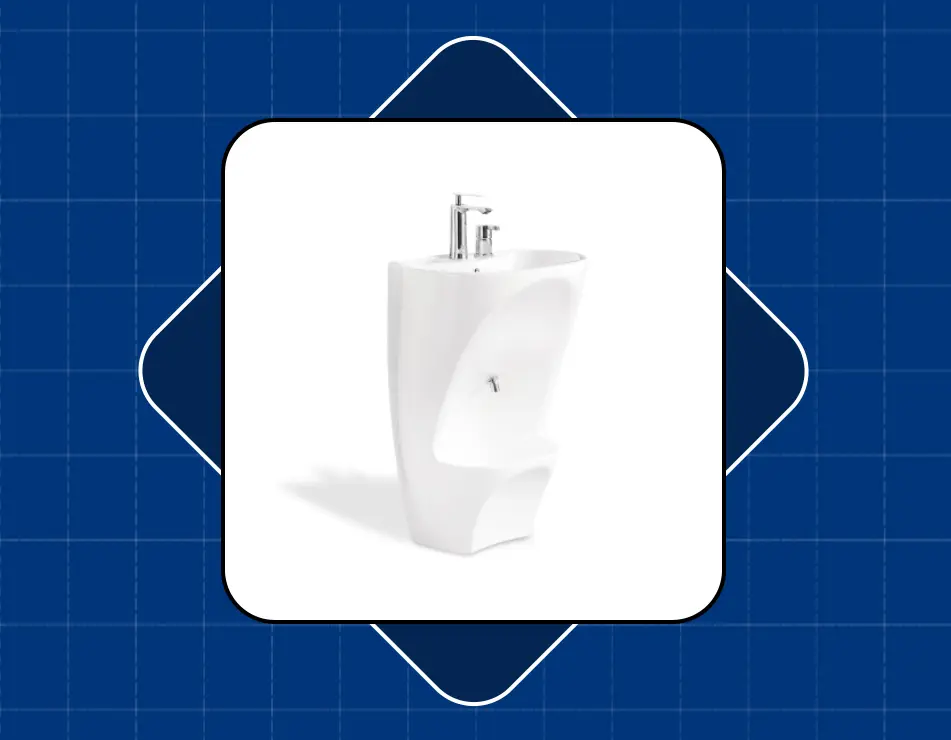
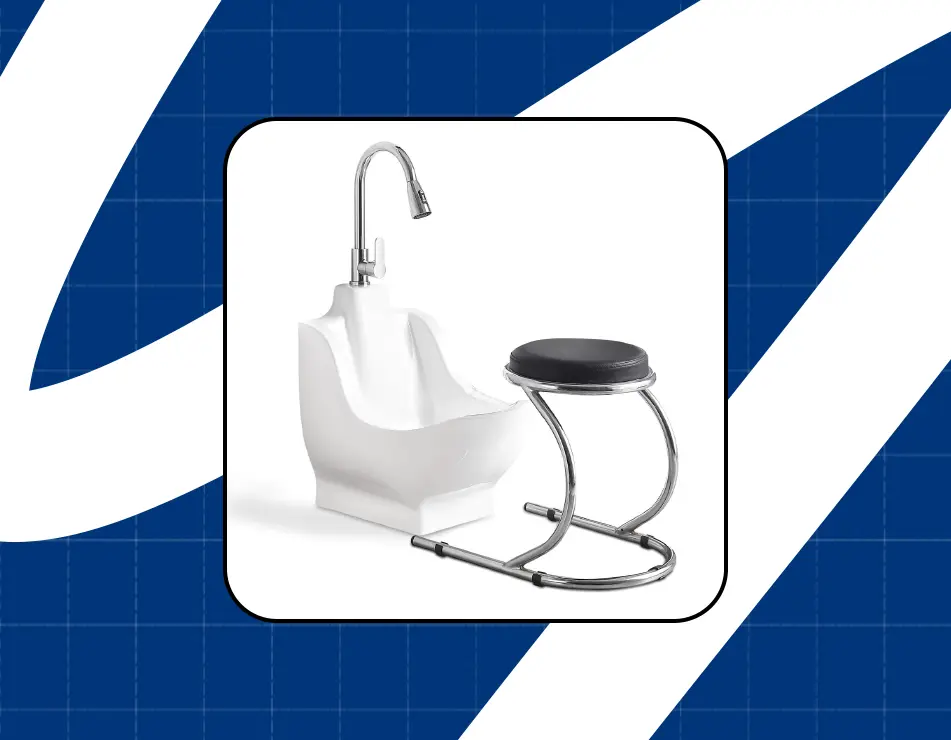
A purpose-built wudu basin is designed with ablution in mind. Depending on the configuration, it can provide features that make washing easier while helping manage water more effectively. Different heights and layouts can also make the basin more suitable for a wider range of users.
WuduWash offers dedicated ablution products in several configurations, including ceramic and stainless-steel models, as well as wall-mounted, floor-mounted, and wheelchair-accessible options. This makes it possible to select a fixture according to the needs of the particular space rather than relying on a one-size-fits-all approach.
Plan for Effective Water Management
Water management is another key consideration. Wudu naturally involves water around the washing area, but poor drainage or excessive splashing can leave floors wet and increase cleaning requirements.
The basin, taps, waste fittings, and drainage should therefore be considered as one system. A suitable basin should direct used water toward the drainage point efficiently, while the surrounding floor should be able to cope with regular moisture.
Choosing a purpose-designed wudu sink in the USA can also make it easier to consider water-saving and splash-management features as part of the overall installation. WuduWash provides dedicated wudu taps and basin designs intended for ablution, allowing these practical considerations to be incorporated into the planning process.
Choose a Solution That Fits the Purpose
The right basin ultimately depends on where it will be installed and who will use it. A home may require a compact solution, while a mosque, school, or other high-traffic facility may need a more durable and accessible configuration.
This is where a dedicated wudu basin can offer an advantage over a conventional sink. Purpose-built designs allow important considerations such as user height, foot washing, accessibility, water management, and maintenance to be addressed within the fixture itself.
Creating a Better Wudu Space
Planning a clean and accessible wudu area is about more than simply choosing a basin and connecting it to a water supply. The complete space needs to work together, from the position and height of the fixture to drainage, flooring, accessibility, and everyday maintenance. For those researching a wudu sink in the USA, starting with a purpose-built solution can make it easier to address the specific requirements of ablution. A carefully selected wudu basin, combined with thoughtful space planning, can provide a comfortable and practical environment for a wide range of users.
FAQs
1. Can a wudu area be installed in an existing bathroom?
Yes. A wudu area can often be incorporated into an existing bathroom if there is adequate space, water supply, drainage, and suitable plumbing access.
2. What type of tap is suitable for a wudu area?
A tap with a practical reach and controlled water flow is generally suitable, as it allows users to direct water where needed without unnecessary splashing.
3. How often should a communal wudu area be inspected?
High-use facilities should be inspected regularly for drainage issues, leaks, loose fittings, surface damage, and other maintenance concerns, with the frequency adjusted to usage levels.