Designing Wudu Facilities That Are Safe, Hygienic, and Inclusive
Wudu is an essential daily practice for Muslims, performed before prayer and deeply connected to cleanliness, mindfulness, and spiritual readiness. Yet in many buildings, the physical spaces provided for wudu have not evolved at the same pace as modern architecture, safety standards, and inclusivity expectations. Poorly designed wash areas can lead to discomfort, water spillage, hygiene concerns, and even injury.
By Wudu Wash
Last updated: Dec 17, 2025
# minutes read
Get WuduWash products to your workplace today.
Still, have more questions and need further assistance?
Wudu is an essential daily practice for Muslims, performed before prayer and deeply connected to cleanliness, mindfulness, and spiritual readiness. Yet in many buildings, the physical spaces provided for wudu have not evolved at the same pace as modern architecture, safety standards, and inclusivity expectations. Poorly designed wash areas can lead to discomfort, water spillage, hygiene concerns, and even injury.
Designing wudu facilities that are safe, hygienic, and inclusive is no longer optional. It is a practical requirement for mosques, schools, universities, workplaces, public buildings, and even homes. A well-designed wudu facility improves the user experience, protects building infrastructure, and reflects respect for religious needs.
This article explores how modern wudu facilities should be designed, what common mistakes to avoid, and how purpose-built solutions such as dedicated wudu basins and foot washing stations create safer and more dignified ablution spaces.
Understanding the Purpose of Modern Wudu Facilities
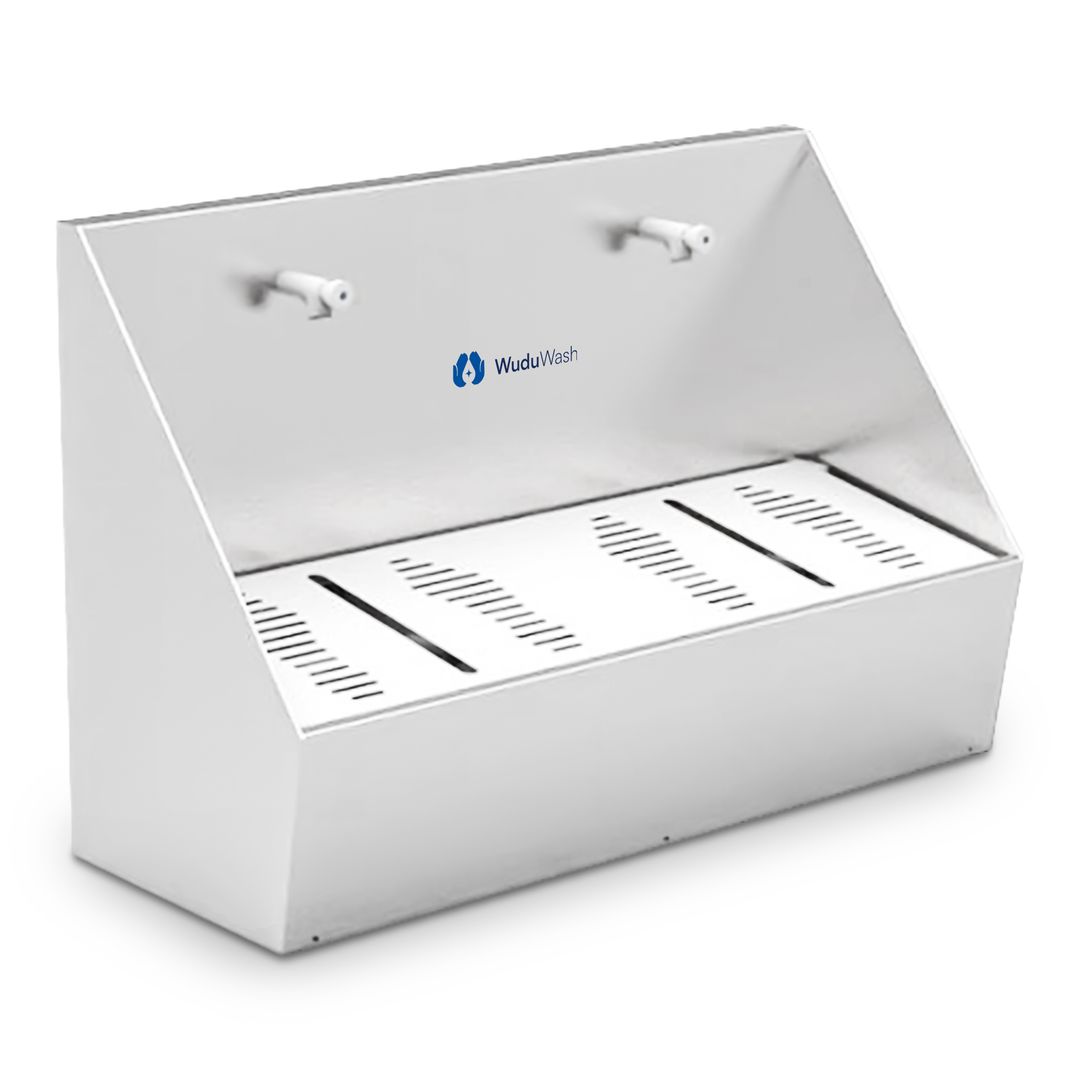
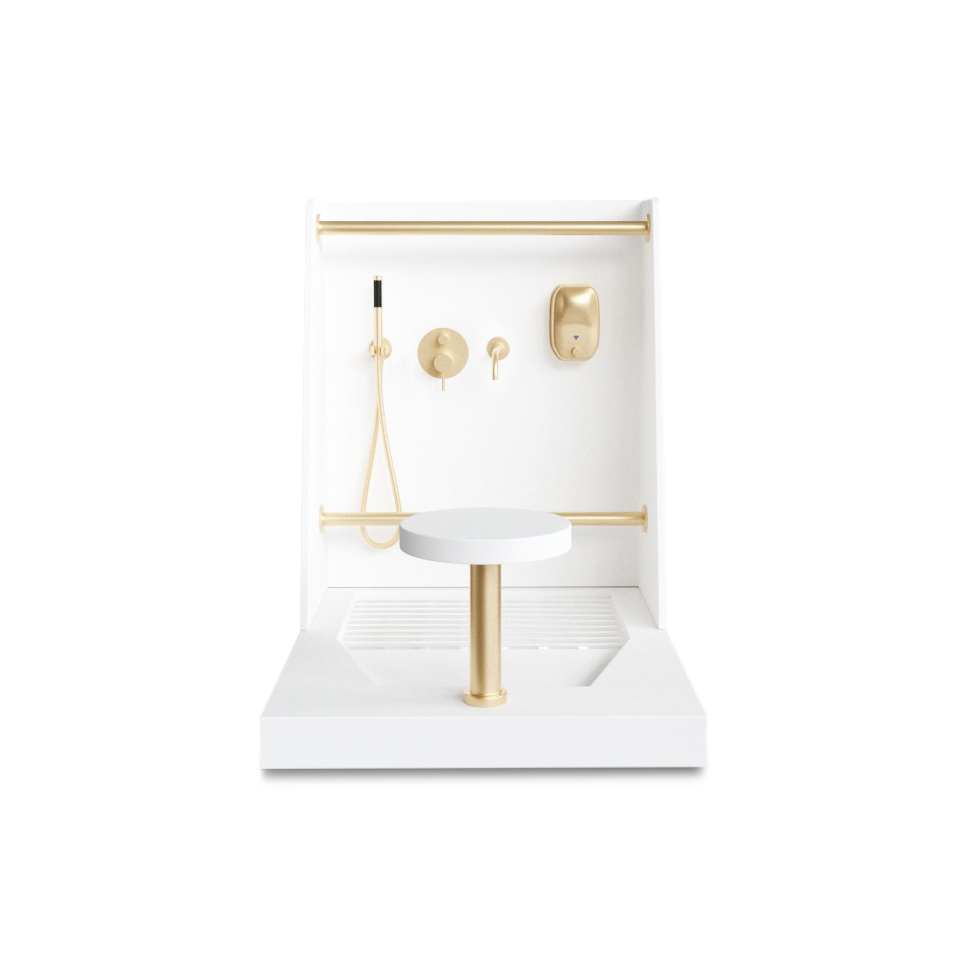
A wudu facility is more than a sink. It is a dedicated Muslim ablution area designed to support the full wudu process, including washing the hands, face, arms, and feet in a safe and controlled way.
Traditional bathroom sinks were never designed for foot washing. As a result, users often lift their feet awkwardly, balance on one leg, or sit on sink edges. These practices increase the risk of slips and falls while also causing excessive water splash and damage to surrounding surfaces.
Modern wudu facilities solve these issues by separating hand washing and foot washing zones, managing water flow, and supporting users of different ages and physical abilities.
Safety First: Reducing Slips, Strain, and Accidents
Safety is one of the most critical aspects of wudu facility design.
Common Safety Problems in Poorly Designed Wudu Areas
Wet floors caused by uncontrolled splashing Users losing balance while lifting feet Sharp sink edges or unstable seating Inadequate spacing causing congestion
These problems are frequently reported in mosques, schools, and workplaces that rely on standard washrooms for wudu.
How Proper Design Improves Safety
A safe wudu facility includes features such as: Non-slip flooring around the wudu area Ergonomic basin heights that reduce bending and stretching Dedicated foot washing levels to avoid lifting feet Optional seating for elderly users or those with mobility challenges
Dual level wudu basins are particularly effective because they allow hands and feet to be washed at separate heights, minimizing strain and maintaining balance throughout the process.
Hygiene: Preventing Cross-Contamination and Water Mess
Hygiene is central to wudu itself, so the facility must support cleanliness rather than compromise it.
Hygiene Issues in Traditional Washrooms
Foot washing in hand basins leads to contamination Standing water on floors creates bacteria risks Shared sinks increase splash-back Difficult-to-clean surfaces accumulate grime
Hygienic Design Principles for Wudu Facilities
To maintain hygiene, a well-designed wudu facility should: Separate hand and foot washing areas Use smooth, non-porous materials that are easy to clean Control water flow to prevent splashing Allow proper drainage to avoid standing water
Purpose-built wudu basinsare designed with these principles in mind. Many modern facilities also reduce water usage by directing flow precisely where it is needed, supporting both hygiene and sustainability.
Lower foot washing access without lifting legs Optional seating or support rails Clear spacing for movement and assistance Designs suitable for both standing and seated use
Dual level wudu basinsnaturally support inclusivity by accommodating different users without requiring separate installations. This makes them especially suitable for schools, universities, mosques, and public buildings.
Wudu Facilities for Schools and Universities
Educational institutions present unique challenges due to high daily usage and diverse users.
Students may perform wudu multiple times a day between classes, often in a hurry. Without proper facilities, washrooms quickly become wet, unsafe, and unhygienic.
Well-designed wudu facilities in schools and universities should be: Durable enough for heavy traffic Easy to maintain for cleaning staff Safe for younger users Inclusive for students with disabilities
Installing dedicated Muslim ablution facilities reduces congestion and helps institutions meet inclusivity and safety expectations.
Mosque Wudu Facility Design Considerations
Mosques require wudu facilities that can handle large numbers of users, especially during peak prayer times.
Key considerations include: Efficient layout to prevent queues Durable materials for long-term use Easy cleaning between prayer times Comfortable access for elderly worshippers
In many regions, mosque designs draw inspiration from long-established practices seen in countries with high mosque attendance, where seated foot washing and structured wudu areas are common.
Home Wudu Facilities: Comfort and Daily Convenience
More homeowners are now installing dedicated wudu basins as part of bathroom renovations or new builds.
A home wudu facility offers: Comfort and privacy Reduced water splashing in bathrooms Less strain during daily wudu A cleaner, more organized wash area
Compactwudu basinsand dual level designs make it possible to include a proper wudu space even in smaller homes or apartments.
A well-designed wudu facility must be easy to maintain over time.
Recommended Material Characteristics
Water-resistant and corrosion-resistant surfaces Smooth finishes that resist stains Strong construction for frequent use Simple shapes without hard-to-clean crevices
Facilities that are easy to clean remain hygienic longer and reduce maintenance costs for mosques, schools, and commercial buildings.
Water Efficiency and Sustainability
Modern wudu facility design also considers water conservation.
Controlled water flow, splash reduction, and efficient drainage all help reduce unnecessary water usage. This is particularly important in high-traffic environments where small inefficiencies add up quickly.
Sustainable wudu facilities balance religious needs with environmental responsibility, making them suitable for modern green building standards.
Many problems arise not from lack of intention, but from lack of understanding.
Common mistakes include: Relying on standard sinks for foot washing Ignoring floor drainage Designing for one user type only Placing wudu areas too close to toilets Underestimating daily usage volume
Avoiding these mistakes early in the design process saves time, cost, and future renovation work.
The Role of Purpose-Built Wudu Basins
Purpose-built wudu basins are designed specifically around the physical actions of wudu.
They offer: Better safety through ergonomic design Improved hygiene through separation of washing zones Greater inclusivity for diverse users Cleaner and more organized wash spaces
Rather than adapting unsuitable fixtures, purpose-built solutions address the root challenges of wudu facility design.
Looking Ahead: The Future of Wudu Facility Design
As awareness grows, wudu facilities are becoming a standard feature in modern architecture rather than an afterthought.
Future-focused designs emphasize: Universal accessibility Clean and minimal aesthetics Efficient use of space and water Respect for religious practices
Designing wudu facilities that are safe, hygienic, and inclusive is not just about compliance or convenience. It is about dignity, respect, and thoughtful design that supports daily religious life.
A well-designed wudu facility protects users, preserves hygiene, and supports inclusivity. Whether in mosques, schools, universities, workplaces, or homes, the right design choices make a measurable difference in safety, cleanliness, and user satisfaction.
By moving away from improvised solutions and toward purpose-built wudu basins and dedicated ablution areas, buildings can meet modern expectations while honoring a deeply important religious practice.
Thoughtful wudu facility design is not a luxury. It is a practical, respectful, and future-ready approach to serving Muslim communities in today’s built environment.
Want to make it easier to perform Wudu before the daily prayers at your workplace? Or do you need ablution (Wudu) products for your gym in the USA? You’re at the right place!
.svg)